What is IPTV and How Does It Work? Simple Beginner's Guide
If you have been hearing the term IPTV and wondering what everyone is talking about, you are not alone. IPTV has become one of the most talked-about alternatives to traditional television in Canada, but the technical jargon can make it sound more complicated than it actually is. Let us break it down in plain language.
What Does IPTV Stand For?
IPTV stands for Internet Protocol Television. In the simplest possible terms, it means watching TV through your internet connection instead of through a cable wire or satellite dish.
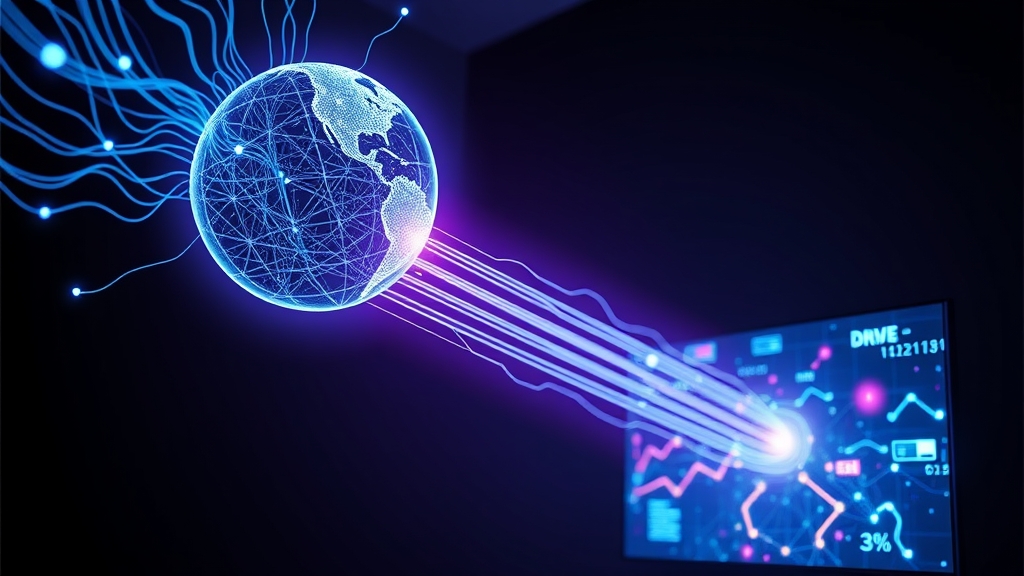
That is really it. The "Internet Protocol" part just refers to the same technology that delivers websites, emails, and YouTube videos to your devices. Instead of a cable company sending a signal through a coaxial cable to your set-top box, an IPTV service sends the television signal through the internet to whatever device you are watching on.
How is IPTV Different from Cable TV?
With traditional cable TV — the kind provided by Rogers, Shaw, or Cogeco — the signal travels through a physical cable network. A coaxial cable runs from the street into your home, connects to a set-top box, and that box decodes the signal for your TV. You are locked into a specific geographic network, specific equipment, and usually a specific room where the cable box lives.
IPTV removes all of that. The television signal is converted into digital data packets and sent over the internet, just like a YouTube video or a Zoom call. Your device — whether it is a Smart TV, a Firestick, a phone, or a laptop — receives those packets and converts them back into the video you watch.
The practical difference is enormous. With cable, you watch TV where the cable box is. With IPTV, you watch TV wherever you have internet.
How is IPTV Different from Netflix?
This is a question that comes up a lot, and it is a good one. Netflix, Disney+, and Crave are technically forms of internet-delivered television, but they differ from IPTV in a key way.
Streaming services like Netflix are purely on-demand. There is no live component — you choose what to watch from a library, and the content plays when you press play. There are no live channels, no schedule, and no way to tune in to watch something as it happens.
IPTV, on the other hand, includes live television channels. You get a full channel lineup — just like cable — with real-time broadcasts of news, sports, shows, and events. When the Leafs play at 7 PM, you watch it live at 7 PM, just as you would on cable. Most IPTV services also include a VOD library, so you get the live experience of cable combined with the on-demand convenience of streaming services. It is the best of both worlds.
How is IPTV Different from Satellite?
Satellite TV, like what Bell Satellite offers, sends signals from broadcasting satellites orbiting Earth down to a dish on your roof. The dish captures the signal and sends it to a receiver box connected to your TV. The picture quality can be excellent, but satellite is vulnerable to weather disruptions — heavy rain, snow, and even thick cloud cover can degrade or interrupt the signal. Anyone who has had their satellite go out during a snowstorm in Winnipeg knows this frustration intimately.
IPTV is not affected by weather because it travels through internet infrastructure — fibre optic cables, network exchanges, and your home router. As long as your internet works, your IPTV works. No dish required, no installation appointment, no signal disruption because of a February ice storm.
Key IPTV Terms Explained
As you explore IPTV, you will encounter some terminology that might be unfamiliar. Here is what the most common terms actually mean:
M3U Playlist
An M3U playlist is essentially a text file that contains a list of channel links. Think of it as an address book — each entry in the M3U file points to a specific channel stream. When your IPTV app loads an M3U playlist, it reads all the addresses and organizes them into a channel list you can browse and select from.
You do not need to understand M3U files to use IPTV. Most services handle this completely behind the scenes. But if you are setting up a standalone IPTV player app, you might be asked to enter an M3U URL — that is just the web address where your channel list lives.
Xtream Codes
Xtream Codes is a connection method that many IPTV services use. Instead of loading an M3U playlist file, you enter a server address, a username, and a password. The app then connects to the IPTV server and loads all your channels, VOD content, and program guide automatically.
Most modern IPTV apps support Xtream Codes login, and it is generally considered easier to set up than M3U because it handles everything in one connection. When you subscribe to a service like Canada IPTV, you typically receive Xtream Codes credentials that you enter into your preferred app.
EPG (Electronic Program Guide)
The EPG is your on-screen TV guide — the grid that shows what is currently playing on each channel and what is coming up next. It is the IPTV equivalent of pressing the "Guide" button on your cable remote.
A good EPG makes the IPTV experience feel familiar and polished. You can browse by time, by channel, or by category. Some EPGs also let you set reminders for upcoming programs or see brief descriptions of what each show is about.
VOD (Video on Demand)
VOD is the on-demand library that comes with most IPTV services. This is the Netflix-like part of IPTV — a collection of movies and TV series that you can watch whenever you want. Quality IPTV services offer massive VOD libraries with tens of thousands of titles, often including recent releases and popular series.
Catch-Up TV
Catch-up is a feature offered by some IPTV services that lets you watch programs that aired in the past few days. Missed the hockey game last night? With catch-up TV, you can go back and watch it as if it were on-demand, even though it originally aired live. Not all services or all channels support catch-up, but it is a useful feature when available.
How the Signal Gets from Server to Your TV
Here is the simplified journey of an IPTV signal:
Step 1: Content Encoding. The live television feed is captured and encoded into a digital format suitable for internet streaming. This happens on powerful servers that compress the video to balance quality with bandwidth requirements.
Step 2: Server Distribution. The encoded stream is distributed across a network of servers, often in multiple geographic locations. Having servers in or near Canada means lower latency and better performance for Canadian viewers.
Step 3: Internet Delivery. When you select a channel, your device sends a request through the internet to the nearest server. The server begins sending the video data back to your device in real time.
Step 4: Device Decoding. Your device — whether it is a Samsung Smart TV, an Amazon Firestick, or your phone — receives the data and decodes it back into the video and audio that appears on your screen.
This entire process happens in milliseconds. The delay between a live event and what you see on screen is typically just a few seconds — comparable to cable and often better than satellite.
What Do You Need to Get Started?
Getting started with IPTV is surprisingly simple. You need three things:
1. An internet connection. A speed of 25 Mbps or higher is recommended for HD streaming. For 4K content, 50 Mbps or more is ideal. Most Canadian internet plans meet or exceed these requirements. If you can watch Netflix without issues, your internet is fast enough for IPTV.
2. A compatible device. This includes Smart TVs from Samsung or LG, Amazon Firestick or Fire TV, Android TV boxes, Apple TV, iOS or Android phones and tablets, Windows or Mac computers, and dedicated IPTV set-top boxes like Formuler or MAG devices.
3. An IPTV subscription. This is your account with an IPTV provider, which gives you the credentials to access the channel lineup and VOD library.
That is it. No technician visit, no new cables, no equipment rental. Most people are up and running within 15 minutes of subscribing. For step-by-step setup instructions, check our installation guide.
Why Canadians are Switching to IPTV
The shift to IPTV in Canada is driven by a few straightforward factors. Cable prices from Bell, Rogers, and Telus continue to climb while delivering the same basic experience they have offered for decades. Streaming services have multiplied and fragmented content across half a dozen subscriptions. And Canadians, being a practical bunch, have done the math.
IPTV offers more channels, more content, more device flexibility, and more savings than any traditional TV option available in Canada. Once you understand what it is and how it works, the question is not whether IPTV makes sense — it is why you did not switch sooner.
Ready to explore? Browse the full channel lineup or check out our pricing plans to see what fits your household.
Ready to Start Streaming?
Join thousands of Canadians enjoying premium IPTV with 19,000+ channels.
Related Articles
 Guides
IPTV Canada: Everything You Need to Know Before Subscribing
New to IPTV? This no-nonsense guide explains exactly how internet TV works in Canada, what you need to get started, and what to watch out for.
Read More Setup
SetupBest IPTV Apps for Android, iPhone & iPad in Canada — 2026
Honest comparison of the top five IPTV apps for Canadian users in 2026 — IPTV Smarters Pro, TiviMate, GSE Smart IPTV, Perfect Player, and XCIPTV with pros, cons, and recommendations.
Read More Setup
SetupHow to Set Up IPTV on Amazon Firestick — Step by Step (2026)
Complete walkthrough for installing IPTV Smarters Pro and TiviMate on your Amazon Firestick. From enabling unknown sources to watching live TV in minutes.
Read More